
 EN
EN  DE
DE 
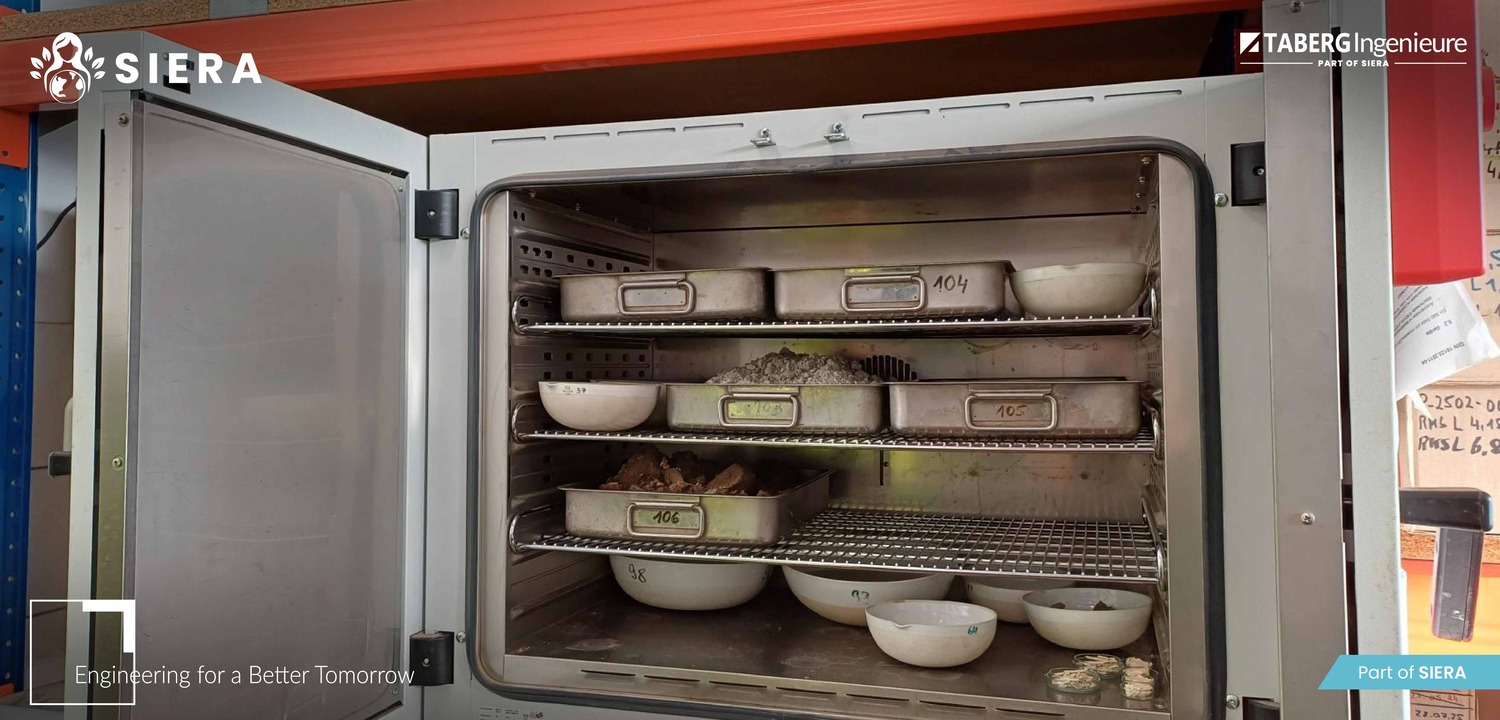
The basis of a reliable subsoil expertise is created by the close interlinking of field investigations and soil mechanical laboratory analyses. In the in-house soil mechanics laboratory of TABERG Ingenieure GmbH - a member of the SIERA Alliance - samples are analysed in accordance with current standards. The combination of modern measurement technology, structured processes and many years of experience ensures that precise and reproducible results are achieved - in the spirit of Engineering for a Better Tomorrow.
Role of soil mechanical laboratory values in subsoil evaluation
Soil mechanical parameters form the central basis of every subsoil evaluation. Only the combination of results from field investigations and laboratory tests enables a realistic assessment of soil behaviour.
Professional sampling, complete documentation and standardised testing guarantee reliable data that can be directly integrated into planning and decision-making processes. These values visualise how load-bearing, plastic or water-sensitive a soil is - crucial information for any foundation planning.
Performance overview of the laboratory procedures
Our laboratory carries out a wide range of soil mechanics analyses, including among others:
- Particle size distributions (sieve and slurry analysis): provide a detailed picture of the grain composition and structure of the soil.
- Atterberg borders: provide information about the plasticity and behaviour of the soil under load.
- Compaction tests (Proctor): determine the optimum soil density
- Determination of water content and density: provide important parameters for structural calculations and supplement the geotechnical assessment.
These tests enable a reliable assessment of key soil parameters, which are essential for any subsoil evaluation.
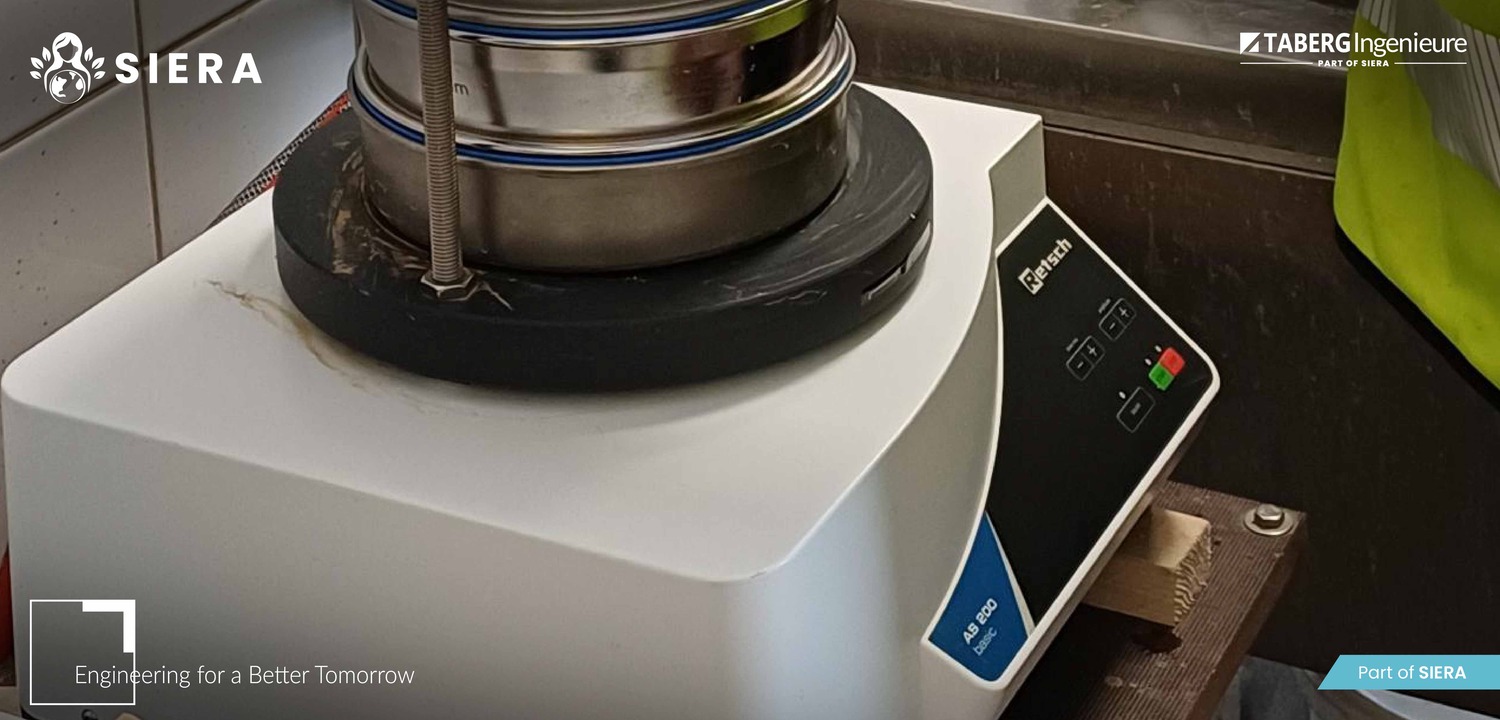
Procedure and quality assurance
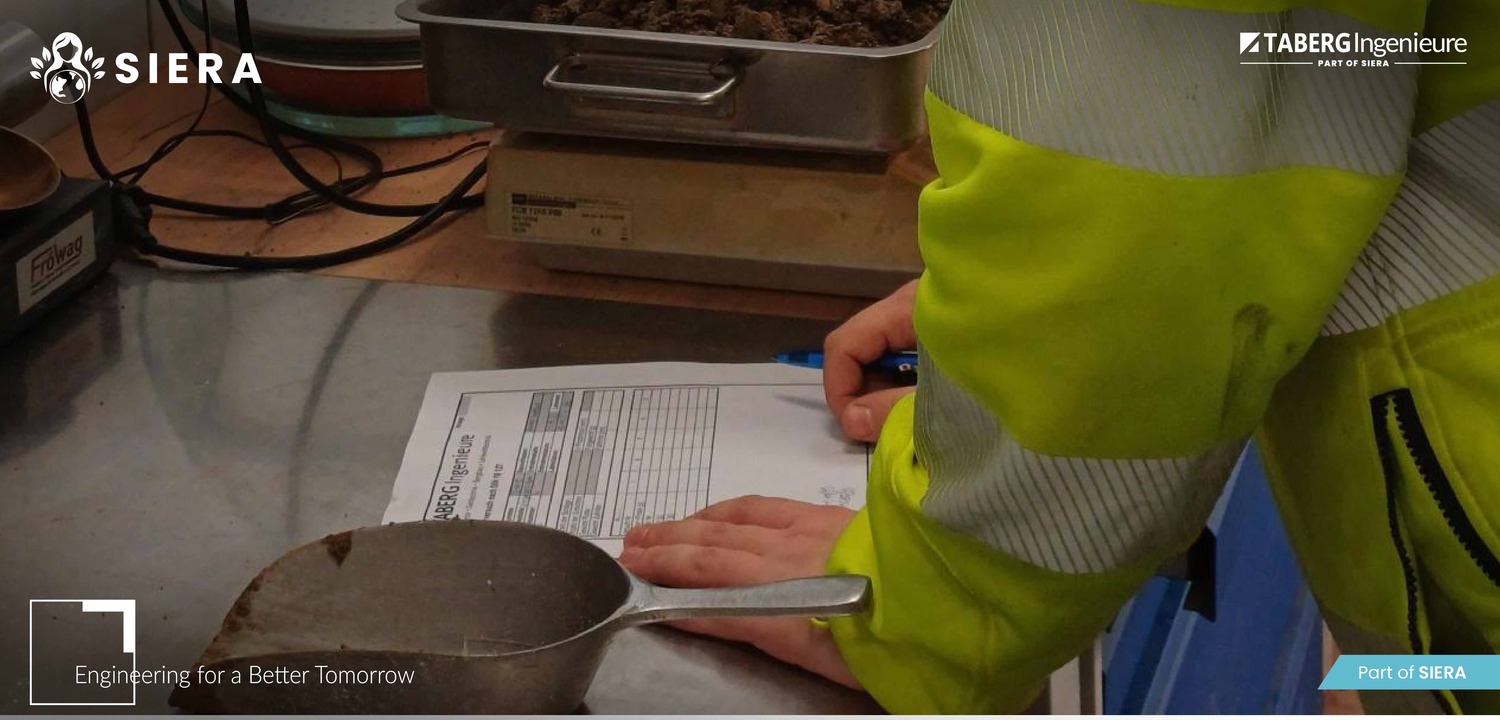
A structured process chain ensures that every sample can be reliably analysed. The close cooperation between the exploratory teams and the laboratory ensures that samples are taken correctly, fully documented and analysed in accordance with standards.
The results are prepared clearly and comprehensibly and transferred to the expert and engineering assessment processes. This produces consistent, comparable and comprehensible results - even in the case of complex or heterogeneous site conditions.
Importance for planning and project safety
Soil mechanics laboratory values are of great importance for all project participants: engineers, architects, clients and project managers receive a reliable and comprehensible basis for their decisions. Risks in the subsoil can be recognised at an early stage, suitable foundation types can be selected and necessary soil improvement measures can be precisely planned.
The main advantages include
- Early detection of subsoil risks
- Well-founded recommendations for the foundation
- Parameters required for the static design
- Direct transfer of the results into planning documents
- Clear and understandable presentation for all parties involved
This ensures that construction projects can be realised safely, economically and sustainably.
Conclusion
Soil mechanics laboratory results are an essential component of a reliable subsoil evaluation. Standardised tests, clear documentation and professional evaluation provide a reliable basis that supports stability, safety and efficiency in planning. They ensure that decisions are based on comprehensible and verified data.
For precise soil mechanical laboratory analyses and a reliable basis for decision-making TABERG Engineers GmbH - member of the SIERA Alliance.
Contact our team and base your project on a tested, standardised database - in the sense of Engineering for a Better Tomorrow.